
Exploring the World of GodofWar: A Comprehensive Guide
Dive into the captivating universe of GodofWar, understanding its gameplay, introduction, and rules in the context of current gaming trends.


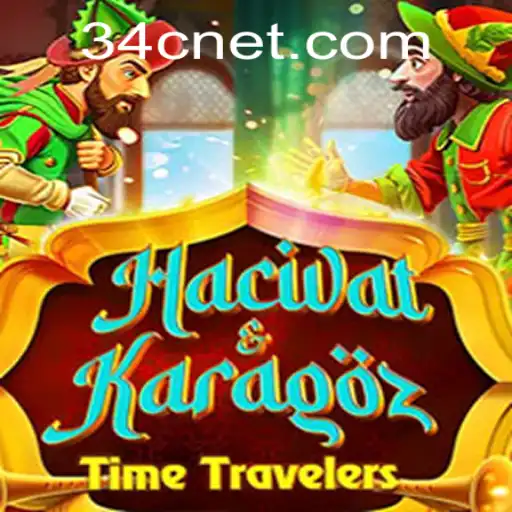
Hacivat and Karagoz, steeped in rich history and culture, is a traditional Turkish shadow puppet game that has fascinated audiences for centuries. This beloved pastime is not just a reflection of historical significance but continues to resonate with players today, thanks to its intriguing characters and compelling storytelling. As cultural ties grow stronger globally, this classic form of entertainment finds a place in many modern arenas, drawing people into its dynamic world.
The game is named after its central characters, Hacivat and Karagoz. These figures symbolize not only entertainment but also cultural narratives that have been passed down through generations. Originating in the Ottoman Empire, the shadow plays were traditionally performed using leather puppets that cast silhouettes on a screen, depicting tales from everyday life imbued with humor and moral lessons. At its heart, the game is celebrated for its artistry and its ability to subtly deliver social commentary.
Hacivat is known as the wise, knowledgeable character, often depicted as more eloquent and educated. In contrast, Karagoz is portrayed as the straightforward, yet sometimes comical counterpart who represents the voice of the common people. This dynamic interplay makes for captivating storytelling, as each character embodies a distinct societal role.
The essence of playing Hacivat and Karagoz lies in its simple yet engaging mechanics. Traditionally, the puppeteer operates behind a screen with back lighting, manipulating the characters to animate a storyline filled with witty dialogues and scenarios. Modern adaptations of the game have retained this core while introducing digital formats, allowing for interactive participation and broader access.
Understanding the rules of the game is crucial for players to fully appreciate its nuances. At its base level, the game revolves around storytelling where players assume the roles of either Hacivat or Karagoz, or sometimes both. The objective is to relay a story that not only entertains but also imparts a significant lesson or cultural reflection. Players must adhere to these guiding principles while developing their narrative:
By combining traditional elements with a creative narrative, players can craft stories that resonate across generations.
Unlike many modern games focused purely on victory, Hacivat and Karagoz emphasize the joy of creativity and storytelling. However, competitive elements can be introduced by judging stories based on criteria like creativity, adherence to character traits, and audience engagement. This adds a thrilling dimension where players strive to outdo one another, not in combat or conquest, but in the art of narrative weaving.
Today, Hacivat and Karagoz have evolved to remain relevant in the digital age. With the advent of technology and the increasing popularity of online gaming platforms, there has been a resurgence of interest in traditional games like these. Digital adaptations allow for online multiplayer storytelling, where participants from different parts of the world can collaborate in crafting a story, fostering a sense of global community.
Recent world events have emphasized the importance of cultural preservation and intercultural dialogues. With increased connectivity, showcasing traditional games like Hacivat and Karagoz becomes a valuable tool in bridging cultural gaps. It reflects the drive to preserve historical heritage while encouraging global audiences to engage with its timeless narratives.
In conclusion, Hacivat and Karagoz stand as a testimony to the enduring power of storytelling in human culture. It offers players a chance not only to experience a piece of history but also to contribute to its legacy by adapting it to the present day context. This game is more than just a form of entertainment; it is a celebration and continuation of rich cultural traditions that remind us of the timeless bond between past and present.
If you're looking for a reliable, fully licensed, and secure sportsbook with a wide selection of games, 34c PH Login is the perfect choice. We're committed to providing you with the best online betting experience, with premium quality, excellent service, and continuous innovation. Sign up now and receive ₱777 for free!
Join now
Get the latest information, experience and betting strategies from the expert team at 34c PH Login.
Dive into the captivating universe of GodofWar, understanding its gameplay, introduction, and rules in the context of current gaming trends.

Explore the captivating universe of BlessedFlame and its innovative 34c PH Login feature. Delve into the game's description, introduction, and rules.

Dive into the exciting world of MoneybagsMan with our detailed overview of the game's description, introduction, and rules.

Discover RacingJoker, the latest phenomenon in mobile gaming. Understand its gameplay mechanics, rules, and integration amid current events, all while exploring the intriguing '34c PH Login.'

Dive into the immersive world of TreasureSnipes, a game that has captivated players with its thrilling quests and strategic gameplay. This article provides an in-depth look at what makes TreasureSnipes a standout, alongside the intriguing concept of '34c PH Login' that enhances the gaming experience.

Explore the vibrant and engaging world of RioPleasures, a captivating game that combines thrilling gameplay with the allure of the iconic city. Learn about its introduction, gameplay, and how current events play a role.
 Join now